
Abstract
Education is undergoing one of the most profound transformations in its history as Artificial Intelligence (AI) advances toward Artificial General Intelligence (AGI). This shift is redefining how knowledge is delivered, assessed, and internalized. Rather than focusing solely on standardized outcomes, modern education systems are evolving to nurture adaptive thinking, creativity, and lifelong learning. Global institutions increasingly recognize AI-enabled education as a cornerstone for inclusive growth, innovation, and human development in the 21st century.
Article
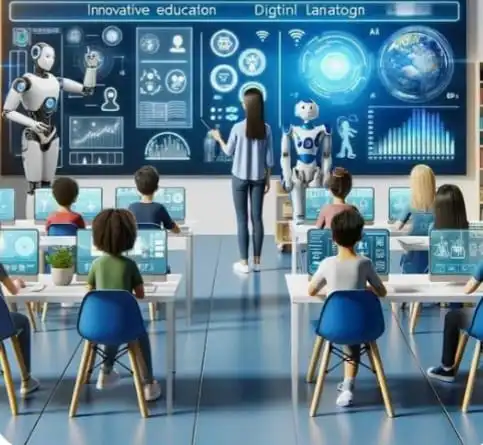
AI-powered learning environments are reshaping classrooms into responsive and personalized ecosystems. Intelligent tutoring systems, learning analytics, and adaptive platforms allow educators to identify individual student needs, adjust instructional strategies, and provide timely feedback. Studies indicate that such systems can significantly improve learning outcomes, particularly for students who struggle in traditional, one-size-fits-all educational models.
Equally important is AI’s role in empowering teachers. By automating repetitive administrative tasks such as grading, attendance tracking, and data analysis, AI enables educators to refocus on what truly matters—mentorship, critical dialogue, creativity, and emotional development. In the emerging age of AGI, teachers are no longer information transmitters but facilitators of wisdom, guiding students to think ethically, critically, and independently.
However, responsible integration is essential. International organizations emphasize that AI in education must be guided by ethical governance, digital literacy, and equity-driven policies to prevent widening learning gaps, erosion of critical thinking, and misuse of student data.
Reflection
AI is not a replacement for human intelligence—it is a catalyst for rehumanizing education. When used wisely, it strengthens inclusion, deepens understanding, and prepares learners to navigate complexity with confidence and compassion. The future of education depends not on how advanced our algorithms become, but on how intentionally we align technology with human values.
References
- UNESCO. Artificial Intelligence and the Future of Education. Paris: UNESCO.
- OECD. AI in Education: Opportunities and Policy Challenges. Paris: OECD.
- Holmes, W., Bialik, M., & Fadel, C. Artificial Intelligence in Education: Promise and Implications.
- World Economic Forum (WEF). Schools of the Future: Defining New Models of Education for the Fourth Industrial Revolution.
- United Nations. Transforming Education in the Age of Digital Intelligence.