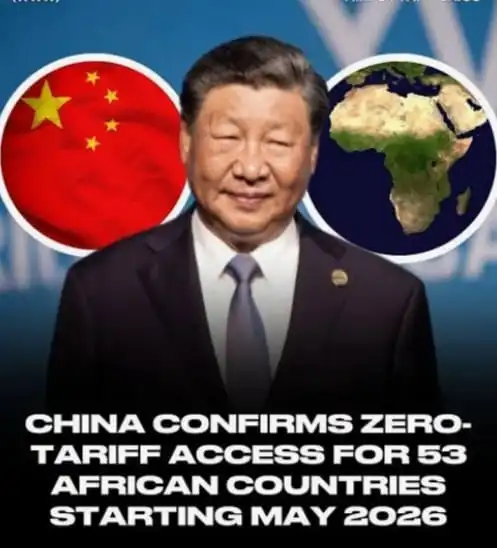

China’s Zero Tariff for Africa — A Game-Changing Opportunity Pakistan Must Harness
China’s announcement of zero tariff access for imports from all 53 African nations with which it maintains diplomatic relations marks a landmark shift in global trade. Beginning May 1, 2026, this policy will eliminate tariffs on 100% of tariff lines, creating unprecedented export opportunities across multiple markets. This historic initiative has the potential to redefine South-South economic cooperation and unlock vast new corridors for trade expansion — including for Pakistan.
Africa’s combined market of 1.5 billion people is increasingly hungry for imports in textiles, pharmaceuticals, processed foods, light engineering goods, and consumer products — sectors where Pakistan already has competitive strengths. China-Africa trade neared $296 billion in 2024, and projections show continued growth as duty-free access accelerates regional integration.
Strategic Approaches for Pakistan
To capitalize on this emerging opportunity, Pakistani business and industrial leaders must adopt a multi-layered strategic approach:
1. Enhance Value-Added Exports
Focus on textiles, leather goods, pharmaceuticals, ceramics, and processed foods — categories where tariff elimination can translate into real competitive advantage.
2. Establish Regional Export Hubs
Kenya, Ethiopia, Nigeria, and Egypt offer strategic logistics gateways, reducing costs and improving market reach.
3. Promote Joint Ventures
Collaborate with Chinese firms operating in Africa to co-develop manufacturing and distribution networks under duty-free frameworks.
4. Leverage CPEC and Regional Infrastructure
Position Pakistan as a transit and logistics partner, opening routes into Central and East African markets — strengthening connectivity and trade flows.
If Pakistan captures just 2-3% of the African market’s import demand following China’s zero-tariff policy, this could translate into $5–$10 billion in new export revenues over the next decade. This is not merely a trade opportunity — it is a structural lever Pakistan can pull to accelerate growth, diversify exports, and strengthen economic resilience.