
Abstract
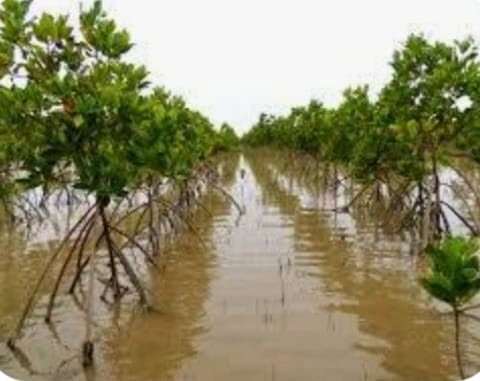
Mangroves represent one of Pakistan’s most valuable yet underutilized climate assets. Climate-smart agripreneurship centered on mangrove ecosystems offers a powerful model for coastal resilience, sustainable livelihoods, and green economic growth. This article examines how mangroves can drive climate adaptation, carbon sequestration, and inclusive agripreneurship along Pakistan’s vulnerable coastline.
Article
Pakistan faces increasing climate risks in the form of sea-level rise, coastal erosion, saline intrusion, and extreme weather events. Mangroves serve as natural buffers against these threats while providing essential ecosystem services. According to the Intergovernmental Panel on Climate Change (IPCC), mangroves store significantly higher amounts of carbon per hectare than terrestrial forests, making them critical for climate mitigation and adaptation strategies.
Climate-smart agripreneurship transforms mangrove conservation into productive green enterprise. Sustainable fisheries, eco-aquaculture, mangrove nurseries, honey production, eco-tourism, and blue carbon initiatives offer diversified and climate-resilient income streams for coastal communities. When local youth and small farmers are empowered as agripreneurs, environmental protection and economic opportunity advance simultaneously.
Islamic principles strongly reinforce environmental stewardship and responsible use of natural resources. The Qur’an states:
“It is He who has made you successors upon the earth…”
(Surah Al-An’am, 6:165)
This concept of Khilafah (stewardship) aligns seamlessly with climate-smart agripreneurship. Protecting mangrove ecosystems while deriving sustainable benefit from them fulfills both economic responsibility and moral duty. The Prophet Muhammad ﷺ further emphasized environmental responsibility:
“If a Muslim plants a tree or sows seeds, and then a bird, or a person or an animal eats from it, it is regarded as a charity.”
(Sahih Bukhari)
From a development economics perspective, mangrove-based agripreneurship strengthens resilience by reducing disaster recovery costs, stabilizing coastal food systems, enhancing biodiversity, and generating green employment. Studies by the World Bank show that nature-based solutions yield significantly higher returns when integrated with local livelihoods.
Pakistan’s climate vulnerability demands innovation beyond conventional agriculture. Mangroves offer a unique opportunity to convert environmental risk into sustainable enterprise through policy support, skills development, and public–private partnerships.
In essence, investing in mangrove-based agripreneurship is not merely an environmental strategy—it is a national economic imperative. By nurturing these green assets today, Pakistan can secure climate resilience, inclusive growth, and sustainable prosperity for future generations.
References
- Intergovernmental Panel on Climate Change (IPCC). Climate Change and Coastal Ecosystems.
- World Bank. (2023). Nature-Based Solutions for Climate Resilience.
- Food and Agriculture Organization (FAO). Blue Carbon and Coastal Livelihoods.
- Holy Qur’an, Surah Al-An’am (6:165).
- Sahih Bukhari, Hadith on planting trees.