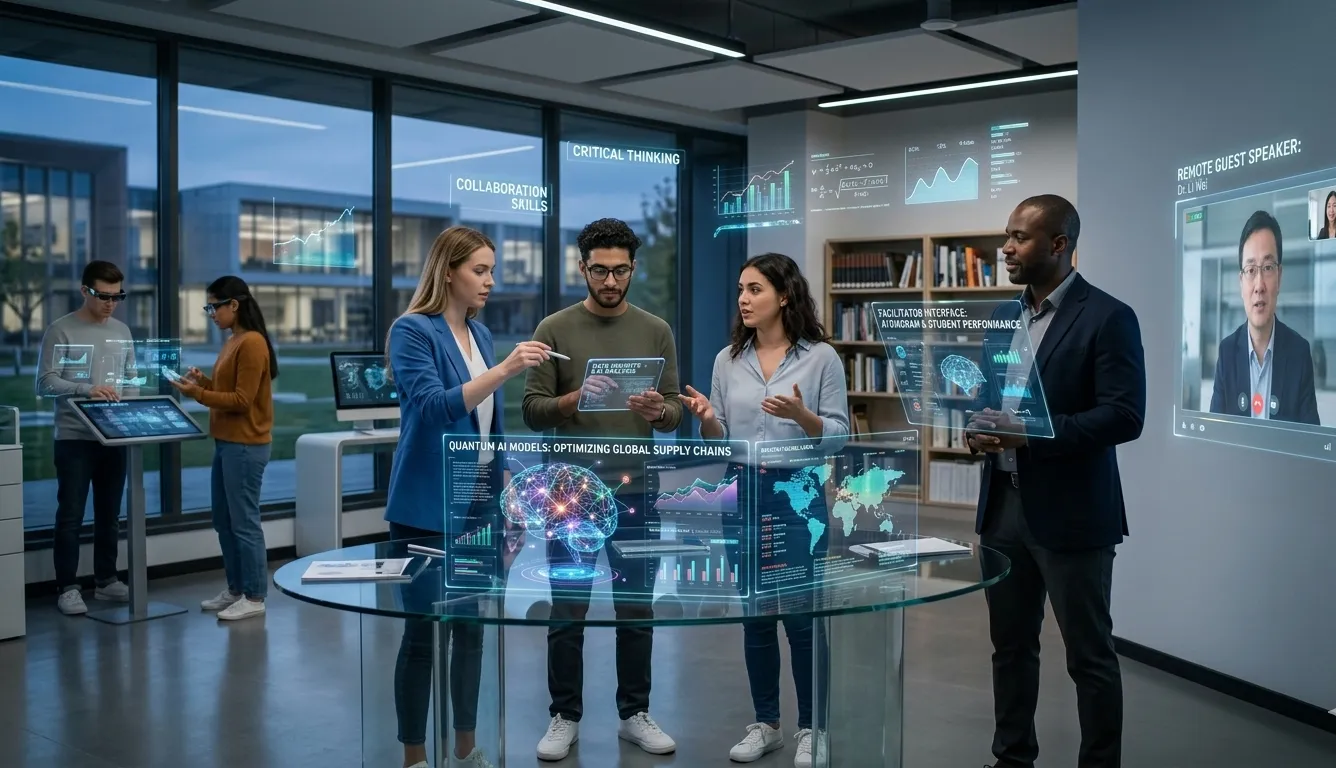

Communication Intelligence: The New Core Skill for Schools in the Digital Age
In the rapidly transforming global economy, communication skills have emerged as one of the most critical competencies for the 21st-century workforce. Modern schools can no longer focus solely on academic knowledge; they must cultivate communication intelligence—the ability to articulate ideas clearly, collaborate effectively, and engage confidently in a digitally connected world.
According to the World Economic Forum’s Future of Jobs Report, communication, collaboration, and emotional intelligence rank among the top five skills required for the workforce by 2030. Similarly, LinkedIn Global Talent Trends reports that over 90% of employers prioritize communication and interpersonal abilities when hiring young professionals. In an era driven by artificial intelligence, automation, and digital platforms, human-centered communication skills are becoming even more valuable.
Schools must therefore integrate structured communication development programs within their curricula. These include public speaking, debate forums, research presentations, digital storytelling, cross-cultural communication, and collaborative project-based learning. Such programs not only enhance confidence and critical thinking but also develop leadership capacity among students.
The digital classroom further amplifies the importance of communication skills. With remote learning, online collaboration tools, and global virtual classrooms becoming mainstream, students must learn how to communicate effectively across cultures, languages, and digital platforms.
Visionary schools are now transforming into communication laboratories, where students practice negotiation, teamwork, presentation, and ethical dialogue. By embedding communication training into everyday learning, schools can nurture future innovators, entrepreneurs, and global leaders prepared for the complexities of the digital economy.
Developing communication competence is therefore not merely an academic enhancement—it is a strategic necessity for modern education systems aiming to prepare students for the world of 2030 and beyond.
References & Useful Links
- World Economic Forum – Future of Jobs Report
- UNESCO – Education for Sustainable Development Report
- OECD – Global Skills Outlook
- LinkedIn – Global Talent Trends Report
- Harvard Graduate School of Education – Communication & Learning Studies