
Movement, Memory & Mercy: Exercise as a Path to Emotional Resilience in the Light of Islam
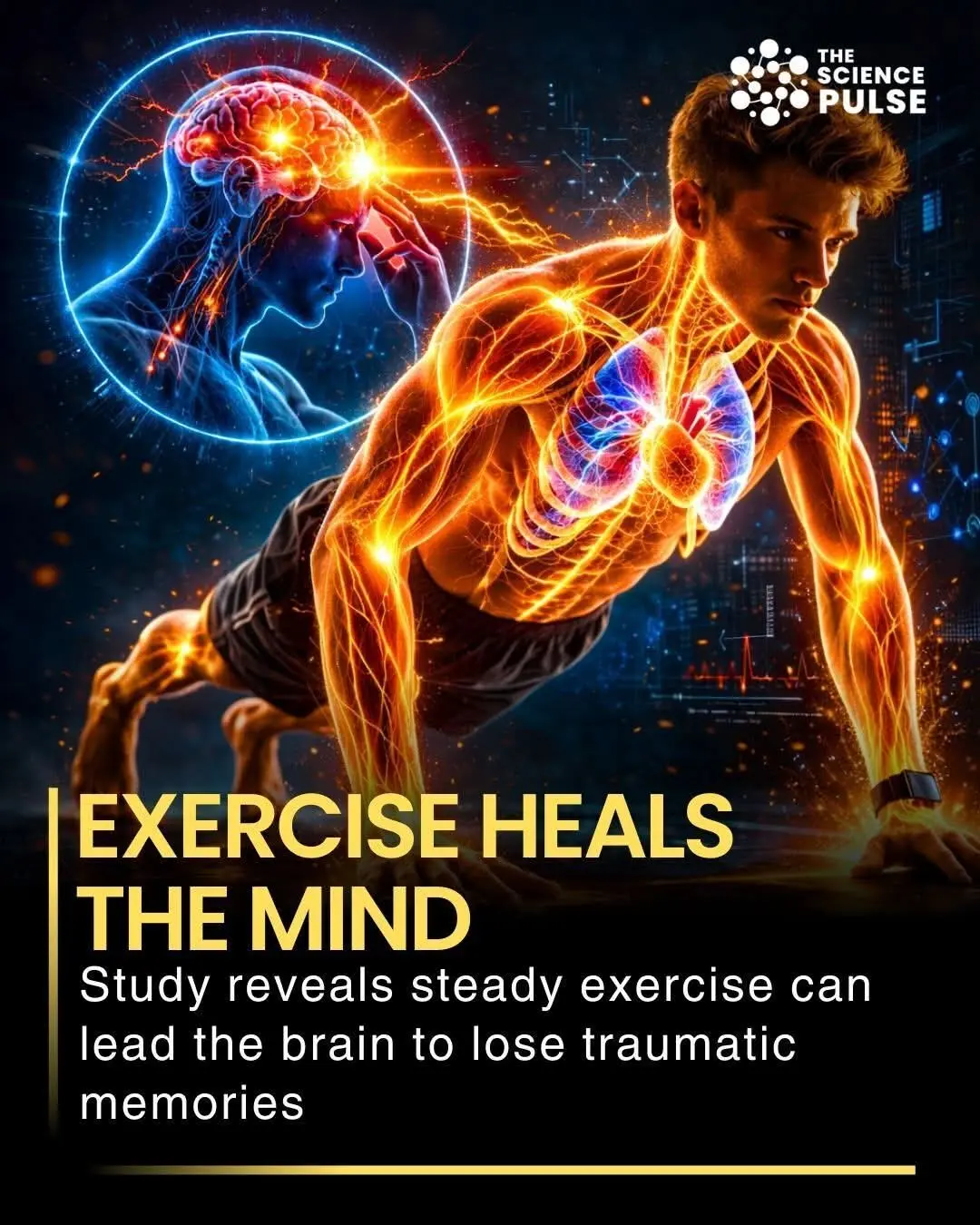
Modern neuroscience increasingly affirms that regular physical activity strengthens emotional resilience and supports trauma recovery. Research shows that exercise stimulates endorphins and brain-derived neurotrophic factor (BDNF), enhancing neuroplasticity—the brain’s ability to rewire itself. Through consistent movement, neural pathways linked to fear and traumatic memory gradually lose intensity, allowing individuals to process painful experiences with greater clarity and reduced emotional distress.
From an Islamic perspective, this harmony between body and soul reflects divine wisdom. Allah Almighty says in the Holy Qur’an: “And do not throw yourselves into destruction with your own hands” (Surah Al-Baqarah 2:195). Preservation of health is a sacred trust (Amanah). The Prophet Muhammad ﷺ encouraged physical strength, stating: “The strong believer is better and more beloved to Allah than the weak believer, while there is good in both.” (Sahih Muslim). Strength here encompasses spiritual, emotional, and physical vitality.
Islam promotes balanced living—prayer (Salah), remembrance (Dhikr), fasting, and physical movement. Practices such as walking, archery, swimming, and horse riding were encouraged in Prophetic tradition, emphasizing holistic well-being. Modern forms of aerobic exercise, strength training, and mindful practices like stretching or controlled breathing align beautifully with this tradition of balance (I‘tidal).
Exercise also reduces cortisol levels and improves emotional regulation, echoing the Qur’anic reassurance: “Verily, in the remembrance of Allah do hearts find rest” (Surah Ar-Ra’d 13:28). When physical activity is combined with spiritual consciousness (Taqwa), it becomes an act of worship—strengthening both the body and the inner self.
Thus, movement is not merely fitness; it is healing. It is discipline. It is gratitude in action. By nurturing the body Allah has entrusted to us, we cultivate resilience, restore emotional equilibrium, and move closer to holistic well-being—physically empowered, mentally balanced, and spiritually anchored.
By Prof. Nadeem Ahmed Faraz
References
- Sahih Muslim, Hadith on strength of the believer.
- The Holy Qur’an, Surah Al-Baqarah (2:195).
- The Holy Qur’an, Surah Ar-Ra’d (13:28).
- Ratey, J. J. (2008). Spark: The Revolutionary New Science of Exercise and the Brain.
- Erickson, K. I., et al. (2011). Exercise training increases size of hippocampus and improves memory. Proceedings of the National Academy of Sciences.
- Kandola, A., et al. (2019). Physical activity and mental health: Evidence from neurobiological studies. Trends in Neurosciences.