Strategic Guidance for Schools: Building 21st Century Skills for a Transformative Future
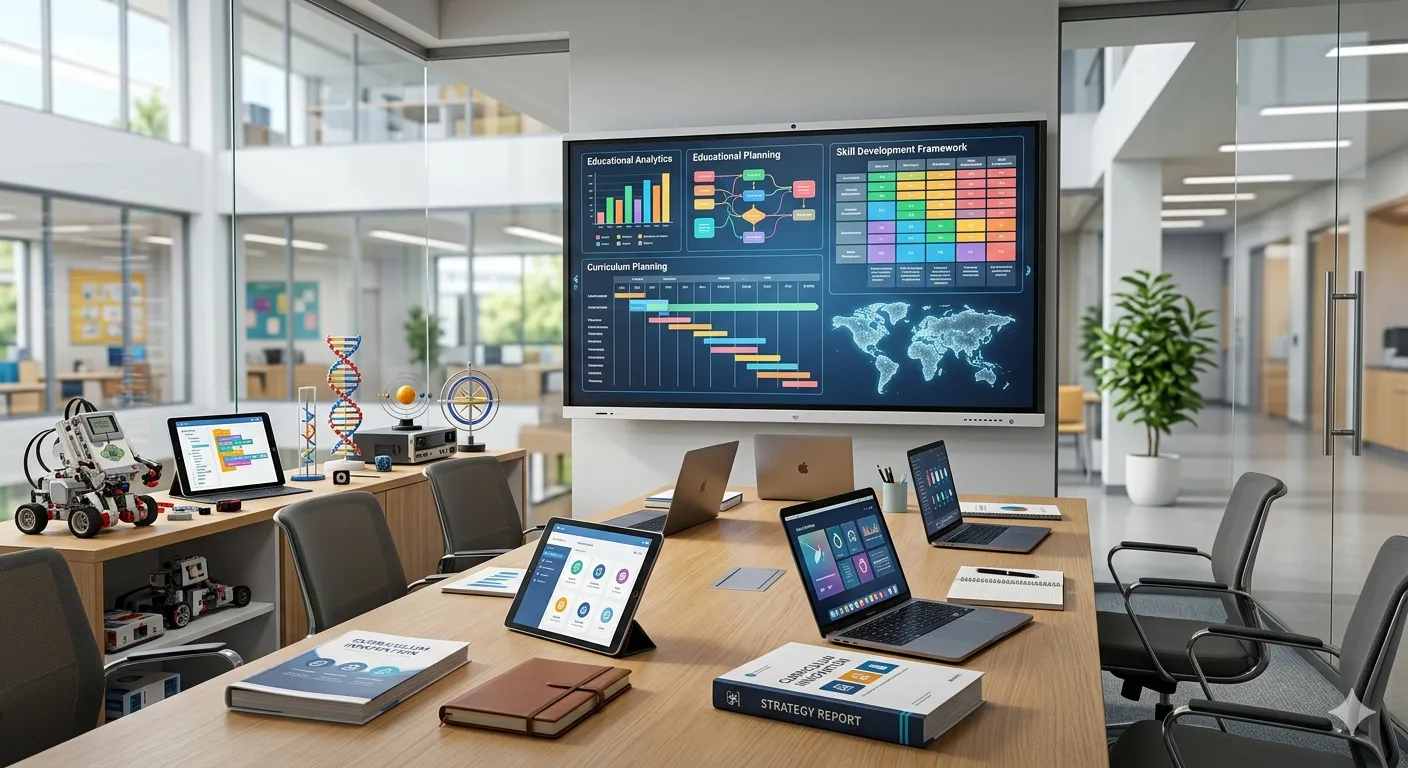
The global education landscape is undergoing an unprecedented transformation driven by digital technologies, artificial intelligence, and rapidly evolving labor markets. In this context, leading international institutions such as the United Nations Educational, Scientific and Cultural Organization (UNESCO), United Nations Children's Fund (UNICEF), and the World Bank strongly emphasize the urgent need for schools to embed 21st century skills within modern curricula. These competencies—critical thinking, creativity, collaboration, communication, digital literacy, and adaptability—are essential for preparing students to succeed in a knowledge-driven global economy.
According to the World Bank’s World Development Report on Education, nearly two-thirds of children entering primary school today are expected to work in occupations that do not yet exist. This reality demands a strategic shift from traditional rote-based learning toward competency-based, inquiry-driven education systems that foster innovation, analytical thinking, and lifelong learning.
Transforming Education Systems
International frameworks such as UNESCO’s Education 2030 Agenda highlight that schools must integrate STEM education, digital competencies, research orientation, and socio-emotional learning to cultivate globally competitive and socially responsible citizens. Likewise, UNICEF’s Global Framework on Transferable Skills underscores the importance of nurturing emotional intelligence, ethical values, and problem-solving abilities that enable young learners to navigate complex social and economic challenges.
Strategic Direction for Schools
Strategically, forward-looking schools should adopt technology-enabled classrooms, interdisciplinary learning models, and project-based pedagogies that empower students to explore real-world challenges. Teachers must transition from information transmitters to facilitators of innovation and critical inquiry, encouraging curiosity and creative thinking.
The Future of Learning
Ultimately, the future of education lies in developing adaptive, innovative, and ethically grounded learners capable of managing change and contributing meaningfully to sustainable global development. Schools that embrace these strategic frameworks today will shape the leaders, entrepreneurs, and innovators of tomorrow.
Building 21st century skills is no longer optional—it is essential for preparing future generations to thrive in a rapidly evolving global knowledge economy.
#EducationReform #FutureSkills #21stCenturyLearning #DigitalEducation #STEMEducation #GlobalEducation #EducationInnovation
References & Useful Links
- UNESCO – Education 2030: Incheon Declaration and Framework for Action
- UNICEF – Global Framework on Transferable Skills (2019)
- World Bank – World Development Report: Learning to Realize Education’s Promise