
Abstract
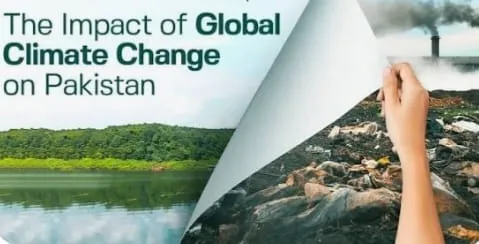
In 2026, climate change in Pakistan has moved beyond abstract environmental discourse—it is now an urgent humanitarian crisis. From the heat-stricken streets of Karachi to flood-affected rural areas, climate stress is reshaping lives, livelihoods, and national stability. Despite contributing less than 1% of global carbon emissions, Pakistan consistently ranks among the top 10 most climate-vulnerable countries worldwide.
Article
National data reveals that Pakistan’s average temperature has already risen by approximately 1.5°C, triggering longer and deadlier heatwaves. Heat-related illnesses have surged, with hundreds of deaths reported during peak summers in Sindh alone. Water scarcity is equally alarming: per-capita water availability has fallen from over 5,000 cubic meters in 1951 to nearly 1,000 cubic meters today, edging the country toward absolute water scarcity. Additionally, glacier melt in northern Pakistan poses dual threats of flooding and future water shortages for agriculture and urban centers.
Karachi, home to over 20 million people, exemplifies the human face of climate change. Rising sea levels, urban flooding, extreme heat, and poor drainage disproportionately affect low-income communities. Monsoon rains increasingly paralyze the city, damaging homes, disrupting livelihoods, and exposing residents to disease and displacement. Informal settlements are often the first to flood—and the last to recover.
Projections beyond 2026 indicate intensified heatwaves, erratic rainfall, coastal inundation, and escalating food insecurity. These trends could cost Pakistan billions annually and push millions closer to poverty if urgent mitigation and adaptation strategies are not implemented.
Reflection
Addressing climate change in Pakistan requires urgent, coordinated, and data-driven action. Government must mainstream climate risk into urban planning, water management, health systems, and disaster preparedness. NGOs and civil society should focus on community awareness, early-warning systems, climate education, and grassroots adaptation. Ultimately, climate resilience must be people-centered, ethically grounded, and integrated across all sectors to safeguard the nation’s future.
References
- IPCC Sixth Assessment Report (AR6)
- World Bank Climate Risk Profile – Pakistan
- UNDP Pakistan Climate Reports
- NDMA Pakistan Disaster Assessments
- Asian Development Bank Climate Outlook
- Government of Sindh Urban & Climate Resilience Studies