Transforming Education for the Future: Global Best Practices Recommended by International Organizations
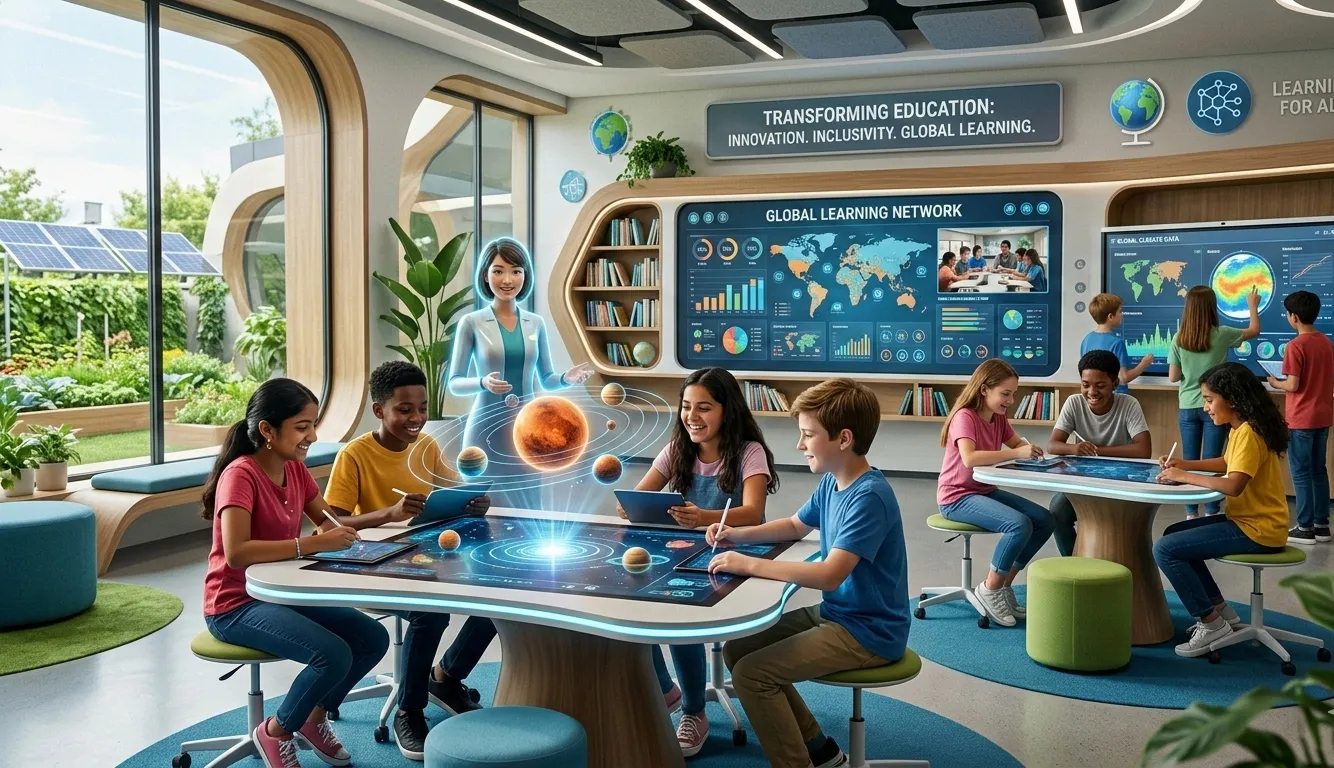
In the rapidly evolving global landscape, modern education must move beyond traditional rote learning toward innovation-driven, skill-based, and future-ready systems. Leading international organizations such as UNESCO, UNICEF, and UNDP have consistently emphasized transformative educational reforms aligned with the Sustainable Development Goals (SDGs).
UNESCO’s Education 2030 Framework advocates competency-based learning, critical thinking, digital literacy, and global citizenship education. UNICEF promotes child-centered pedagogies that nurture emotional intelligence, creativity, inclusivity, and psychosocial well-being. UNDP underscores innovation, entrepreneurship, sustainability awareness, and lifelong learning as core drivers of socio-economic progress.
Modern best practices now include blended and technology-integrated learning models, AI-assisted instruction, inquiry-based research projects, continuous formative assessments, and values-based leadership development. Equally important is the integration of Emotional Intelligence (EQ), mental health awareness, and ethical digital citizenship into mainstream curricula. Teacher professional development and equitable access to technology remain central pillars in these global recommendations.
Educational institutions that embrace these research-based global standards are not merely teaching subjects; they are cultivating adaptive thinkers, responsible citizens, and visionary leaders prepared for 2030, 2040, and beyond.
By Prof. Nadeem Ahmed Faraz
References & Useful Links
- UNESCO (2015). Education 2030: Incheon Declaration and Framework for Action
- UNICEF (2021). Reimagining Education for Every Child
- UNDP (2022). Human Development Report & Skills for the Future Framework